
 Get Weekly Possibilities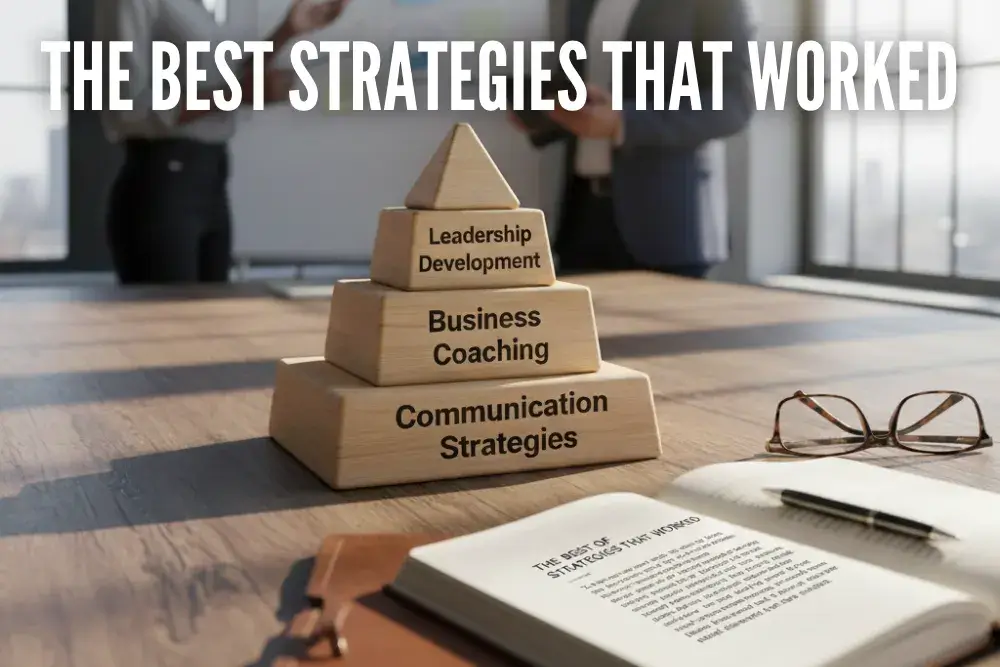
Business professionals are surrounded by advice. New frameworks, new systems, and new trends appear constantly, all promising better results. The challenge isn’t access to strategies—it’s knowing which ones consistently work in real-world leadership and business environments. The most effective strategies tend to share one thing in common: they are practical, repeatable, and rooted in how people actually operate, communicate, and make decisions.
Across organizations of all sizes, the best strategies are rarely flashy. They focus on clarity, alignment, accountability, and communication. When these elements are intentionally developed, businesses gain momentum that lasts beyond short-term wins.
Why Proven Strategies Matter More Than New Ideas
Innovation is important, but businesses stall when they chase ideas without a foundation. Proven strategies create stability while allowing room for growth. They reduce unnecessary friction and help leaders make decisions with confidence.
The best strategies tend to:
- Support consistent execution
- Improve communication across teams
- Clarify priorities and expectations
- Strengthen leadership effectiveness
Rather than asking, “What’s new?” effective leaders ask, “What works—and why?”
Communication Strategies That Drive Performance
Communication is one of the most underestimated drivers of business performance. Many operational issues trace back to unclear expectations, assumptions, or missed conversations. Strong communication strategies reduce confusion and increase trust.
Intentional Listening
One of the most effective communication strategies is intentional listening. This goes beyond hearing words. It involves understanding context, intent, and underlying concerns.
Leaders who listen well:
- Ask clarifying questions before responding
- Reflect back what they hear to confirm understanding
- Create space for dialogue instead of defense
This approach improves collaboration and helps teams feel heard rather than managed.
Consistent One-on-One Conversations
Regular check-ins outperform reactive meetings. When leaders schedule consistent one-on-one conversations, issues are addressed early instead of becoming problems later.
These conversations work best when they focus on:
- Progress toward goals
- Roadblocks or resource needs
- Clarity around expectations
Consistency builds trust, which strengthens performance over time.
Business Coaching as a Strategic Advantage
Business coaching is often misunderstood as support for struggling leaders. In reality, it is most effective for leaders who want to refine what’s already working.
The best business coaching strategies focus on:
- Clarifying priorities
- Improving decision-making processes
- Aligning actions with long-term goals
Coaching creates space for strategic thinking that is difficult to maintain in daily operations. It helps leaders step back, assess patterns, and make intentional adjustments.
Goal Clarity Over Goal Quantity
One strategy that consistently delivers results is reducing the number of competing goals. Many leaders attempt to pursue too many initiatives at once, diluting focus.
Effective coaching helps leaders narrow their focus to:
- What matters most right now
- What creates the greatest impact
- What can realistically be executed well
Clear priorities improve execution and reduce burnout.
Accountability That Supports Growth
Accountability works best when it is supportive rather than punitive. Coaching-based accountability encourages follow-through while allowing space for learning and adjustment.
This approach helps leaders:
- Stay aligned with commitments
- Recognize patterns that slow progress
- Build confidence through consistent action
Leadership Development That Scales With the Business
Leadership development is not a one-time initiative. As organizations grow, leadership demands evolve. Strategies that worked at one stage may need refinement at the next.
The most effective leadership development strategies emphasize adaptability and self-awareness.
Emotional Intelligence as a Core Skill
Technical expertise may open doors, but emotional intelligence sustains leadership effectiveness. Leaders who understand their own reactions and communication style are better equipped to guide others.
Strong emotional intelligence supports:
- Clearer communication during change
- More productive conflict resolution
- Stronger team relationships
Leadership development that includes emotional intelligence helps leaders remain effective under pressure.
Continuous Learning Over Static Expertise
One of the best strategies that consistently works is committing to continuous learning. Markets change, teams evolve, and expectations shift.
Leaders who prioritize learning:
- Adapt faster to new challenges
- Model growth-oriented behavior
- Maintain credibility with their teams
Learning does not require constant change—it requires curiosity and reflection.
Strategy Execution Is Where Results Are Earned
Even the best strategies fail without execution. Execution improves when systems, communication, and leadership behaviors are aligned.
Businesses that execute well tend to:
- Communicate expectations clearly
- Review progress regularly
- Adjust strategies without overcorrecting
This balance allows for steady growth without chaos.
Choosing Strategies That Fit Your Business
No single strategy works in isolation. The most effective approach combines communication strategies, leadership development, and business coaching into a cohesive framework.
The question is not whether strategies work—but whether they are applied intentionally and consistently.
For business professionals who want to refine proven strategies, strengthen leadership effectiveness, and improve communication without unnecessary complexity, a free coaching session can help identify which strategies will create the most meaningful progress based on your current goals and challenges.